
Packaging for Small Business
If you run a small business, this page covers the flexible packaging formats we make for brands like yours. It includes stand up pouches, flat bottom bags, spouted pouches, rollstock film and special shape pouches. Buyers use them for coffee, tea, dry dog food, baby food, liquids, cosmetics and pet care products. You will need to decide on the barrier level, the closure type (zipper, spout or valve), the size, and whether you want recyclable mono-material, compostable, kraft paper or a foil laminate. Digital printing starts at 100 pouches or 10 kg of film, so short runs are possible. Send us your product, fill weight and quantity for a quote.
Small Business — products
Showing 30 of 30
Material
Closure
Features
Stock or custom
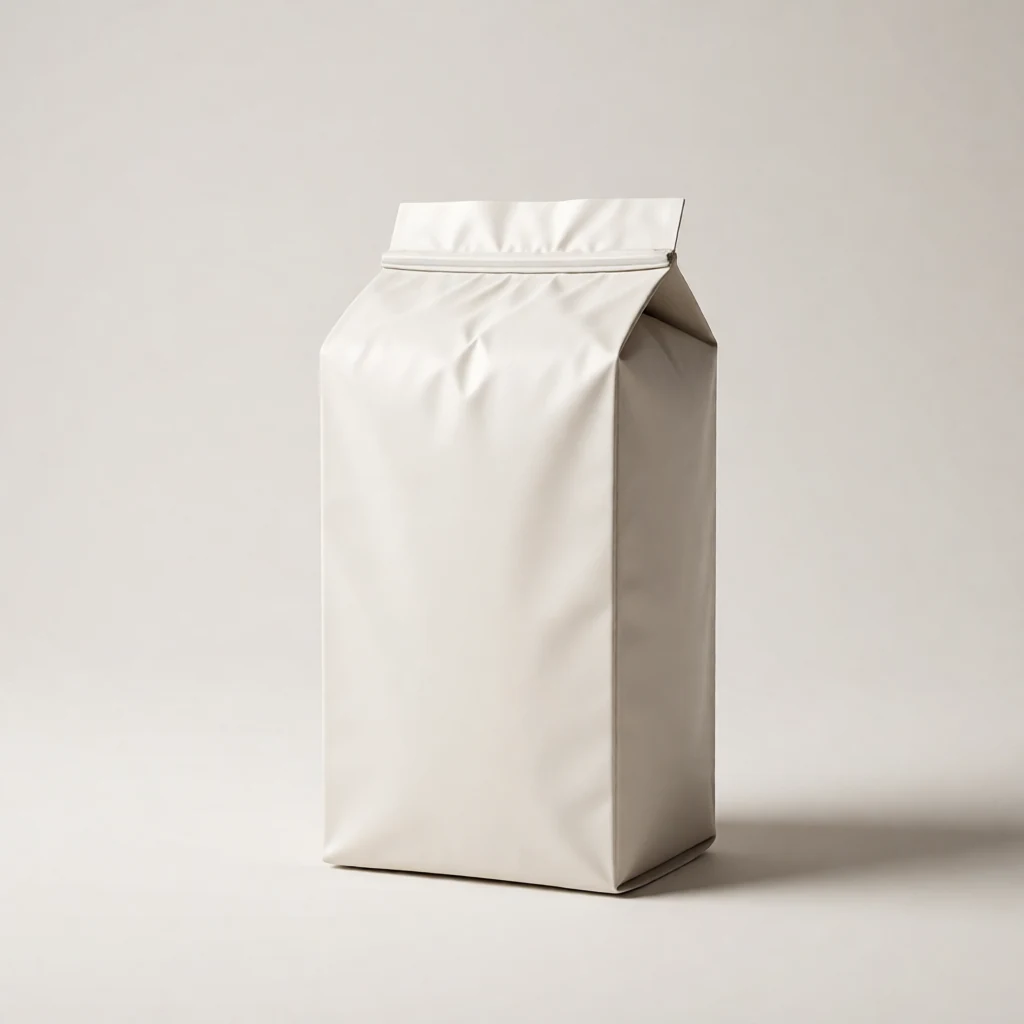
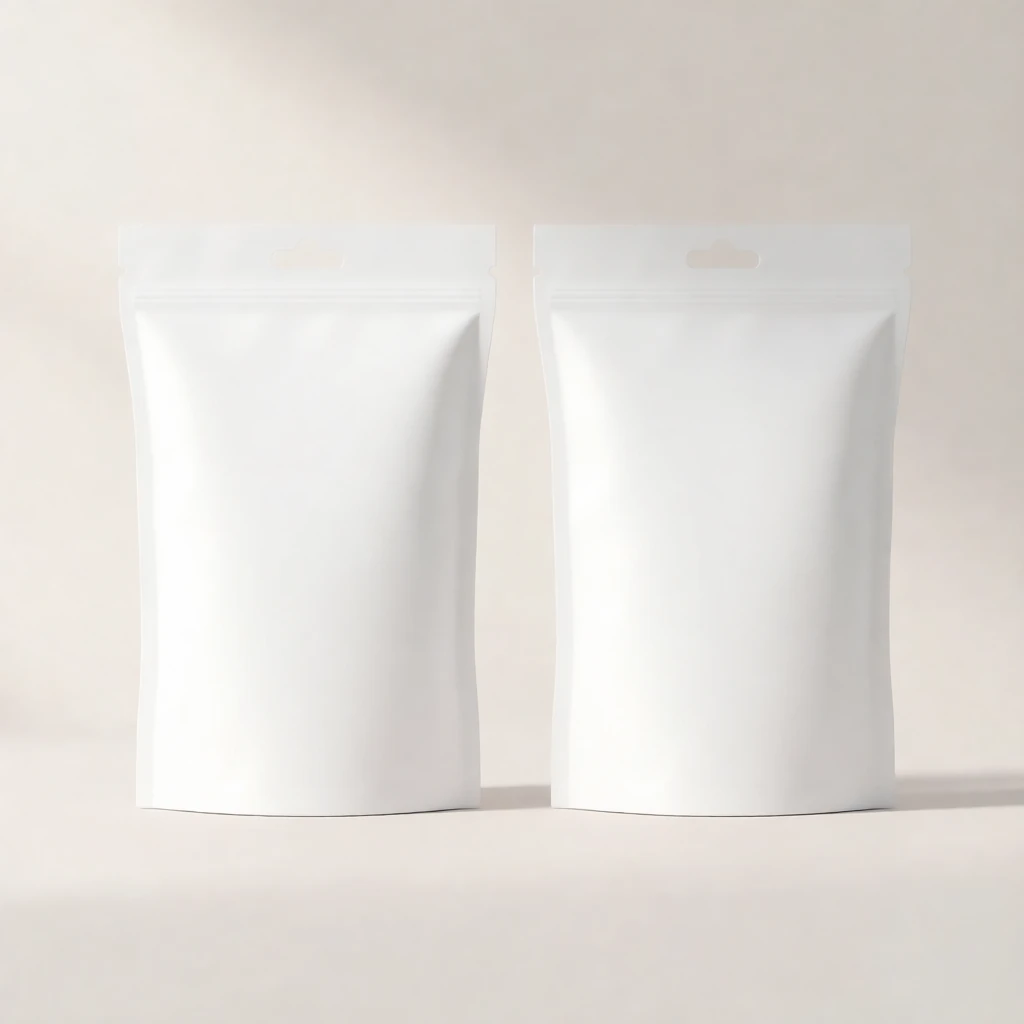
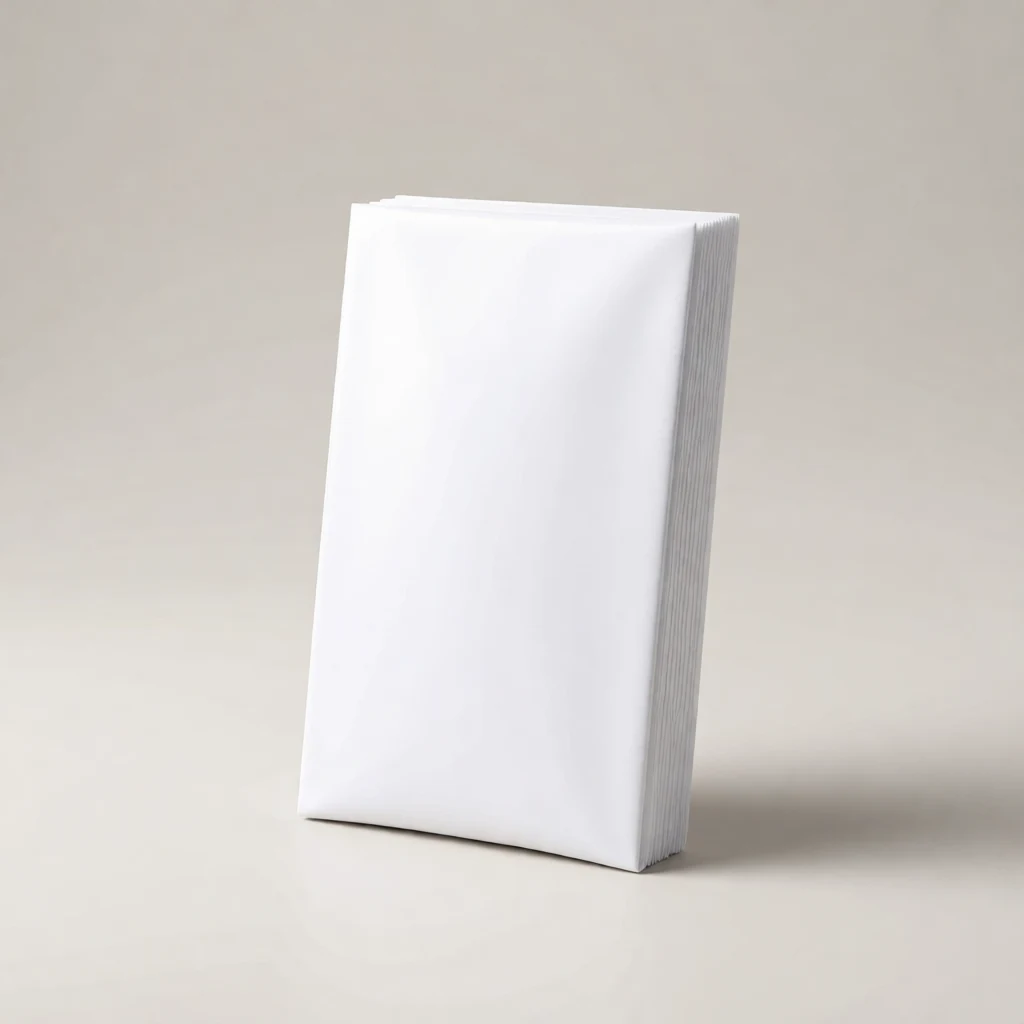
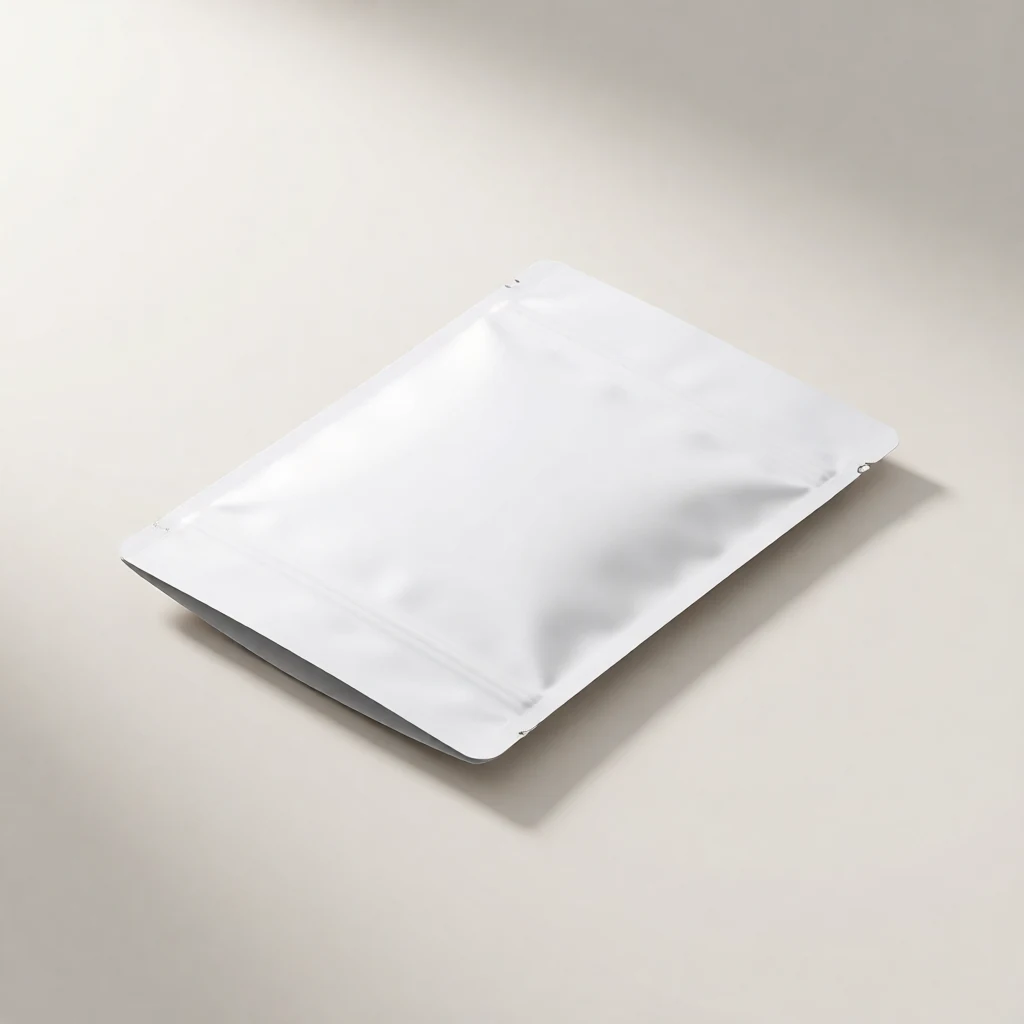
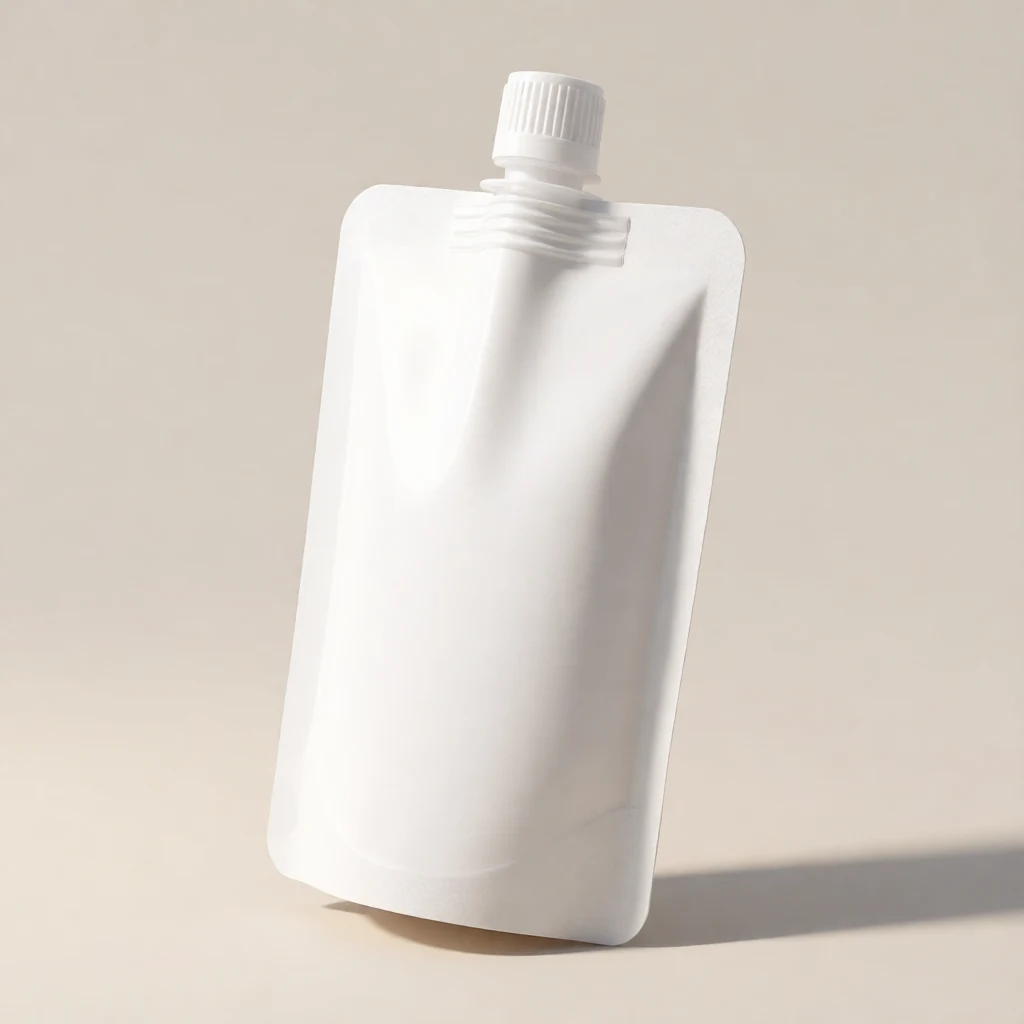
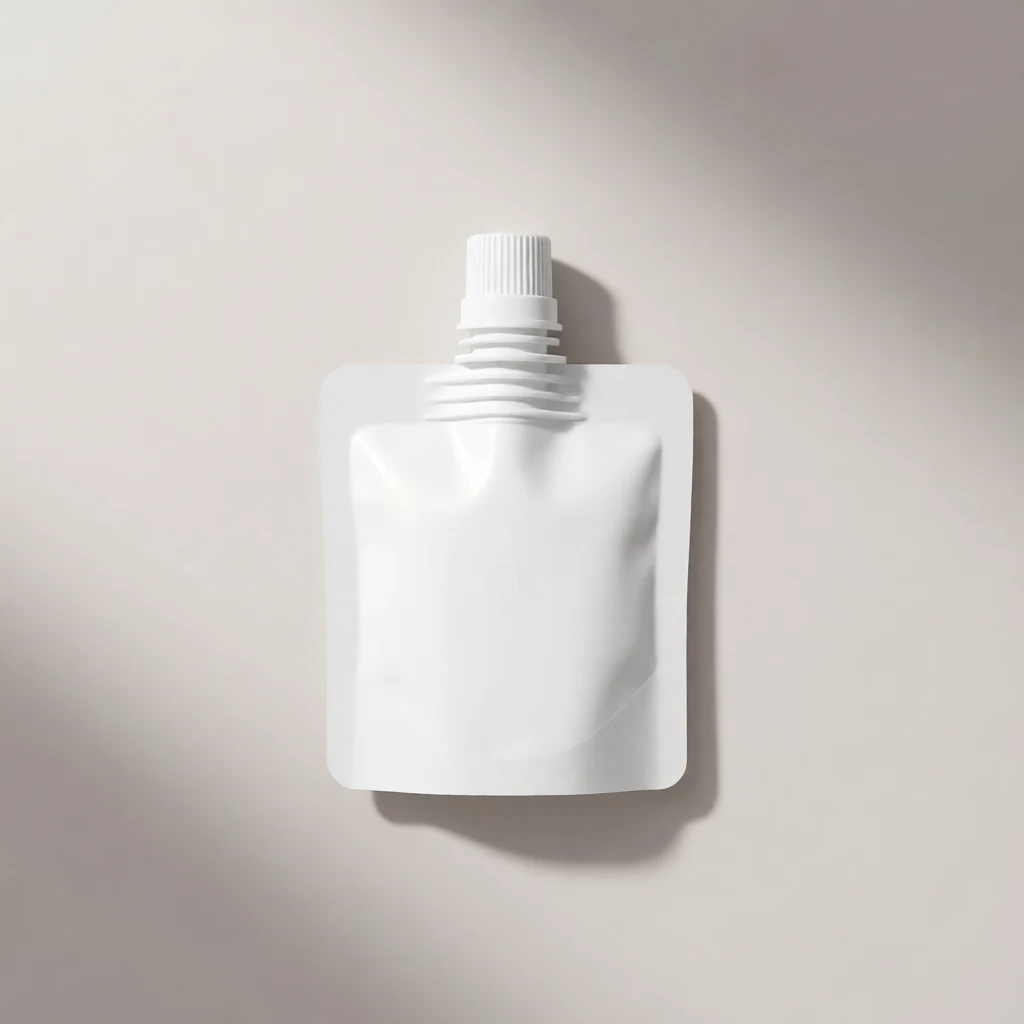
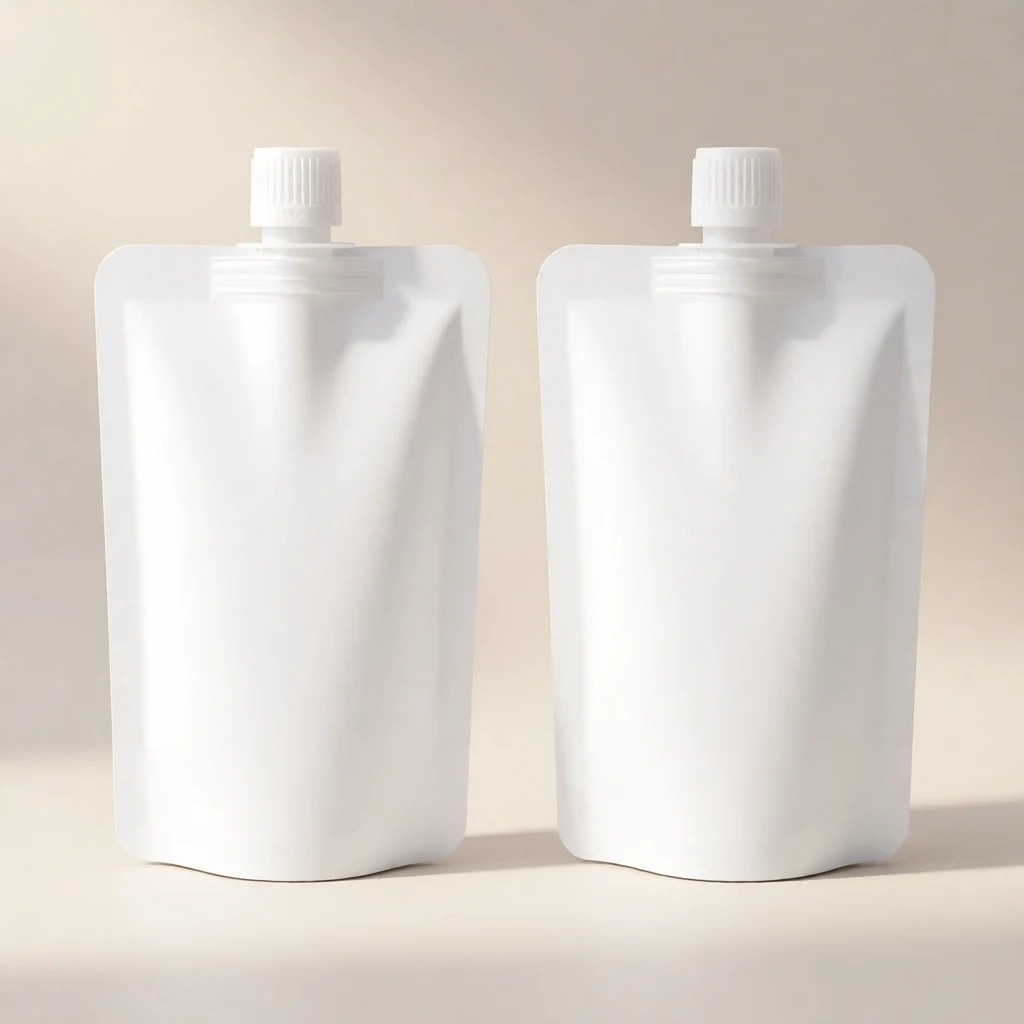
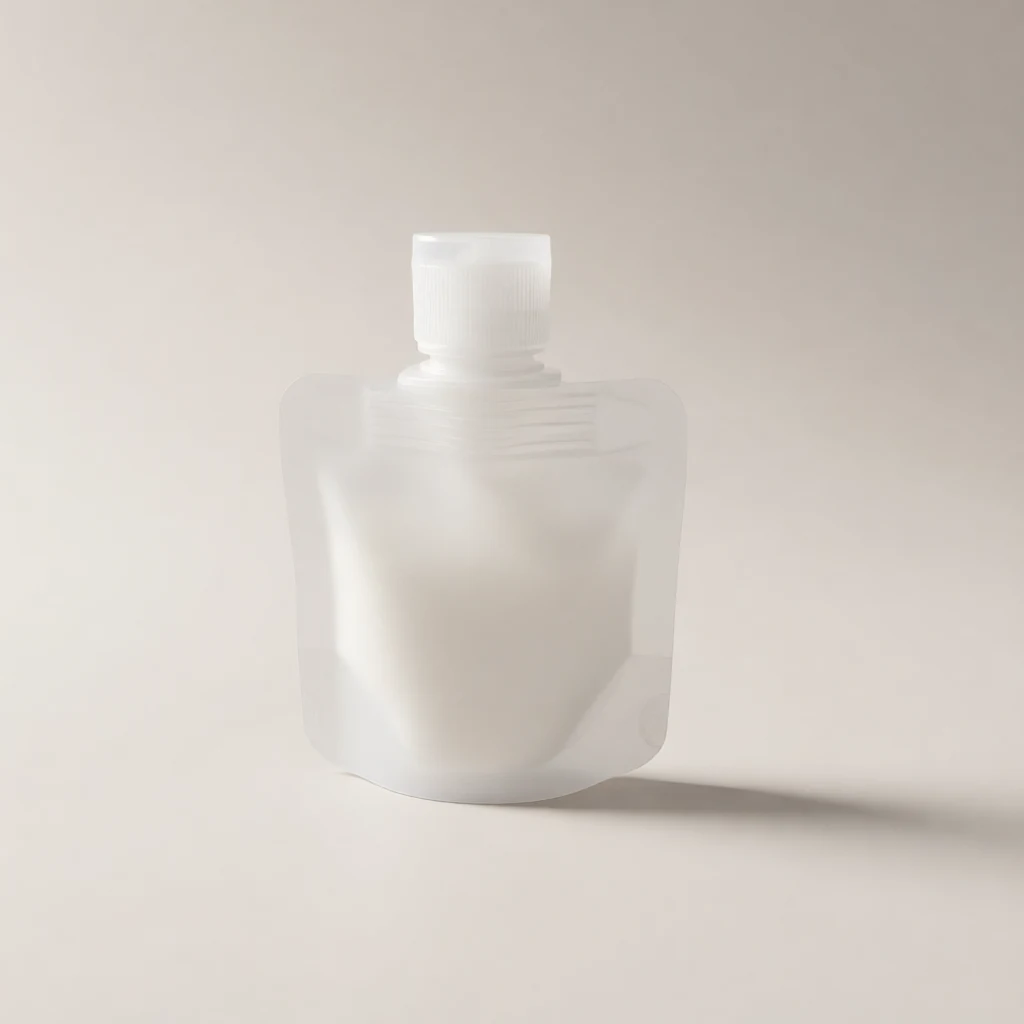
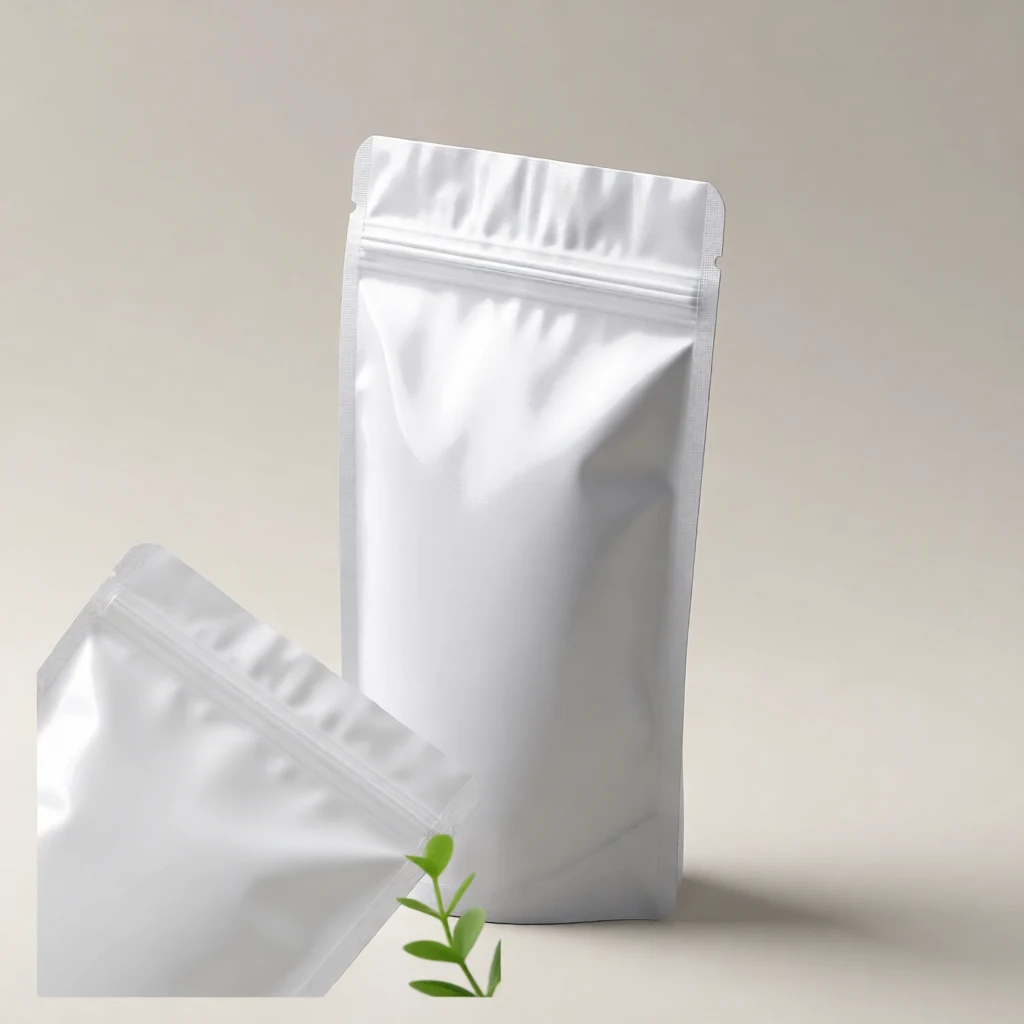
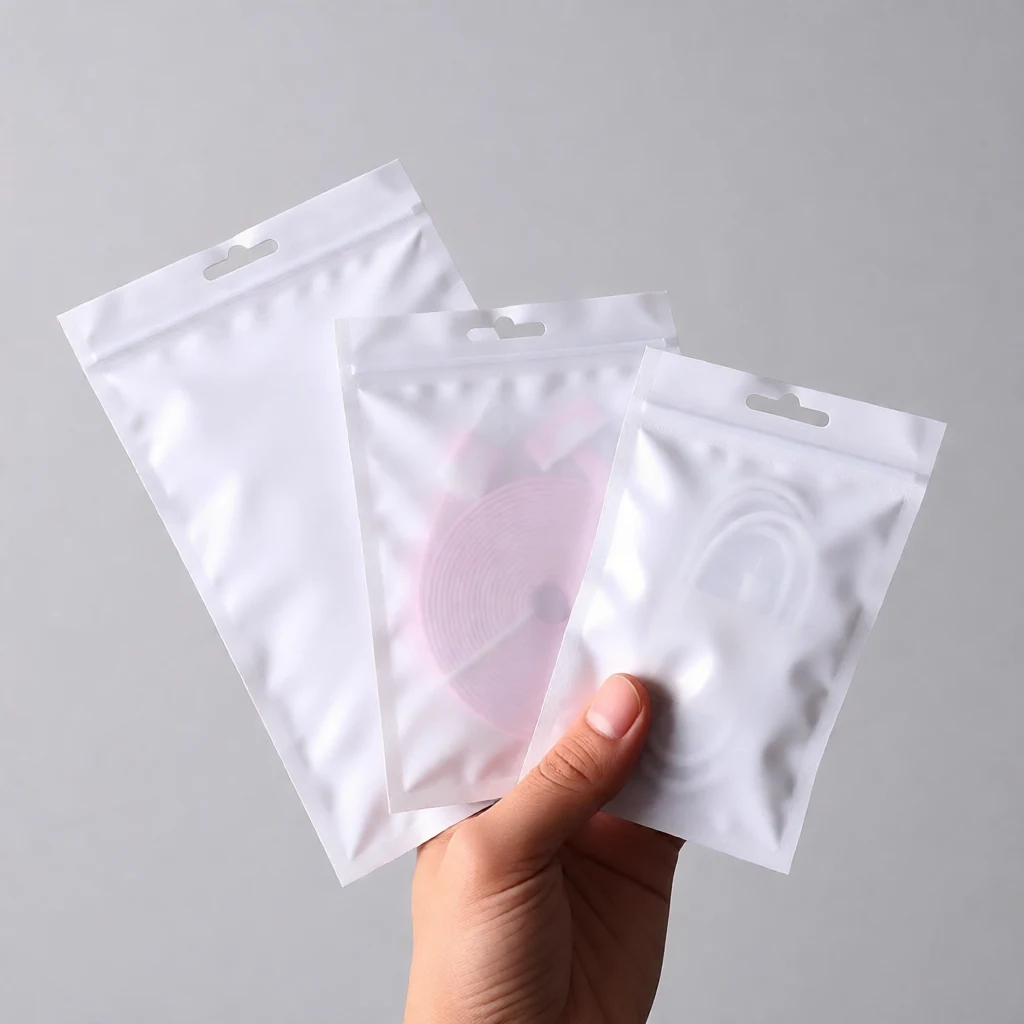
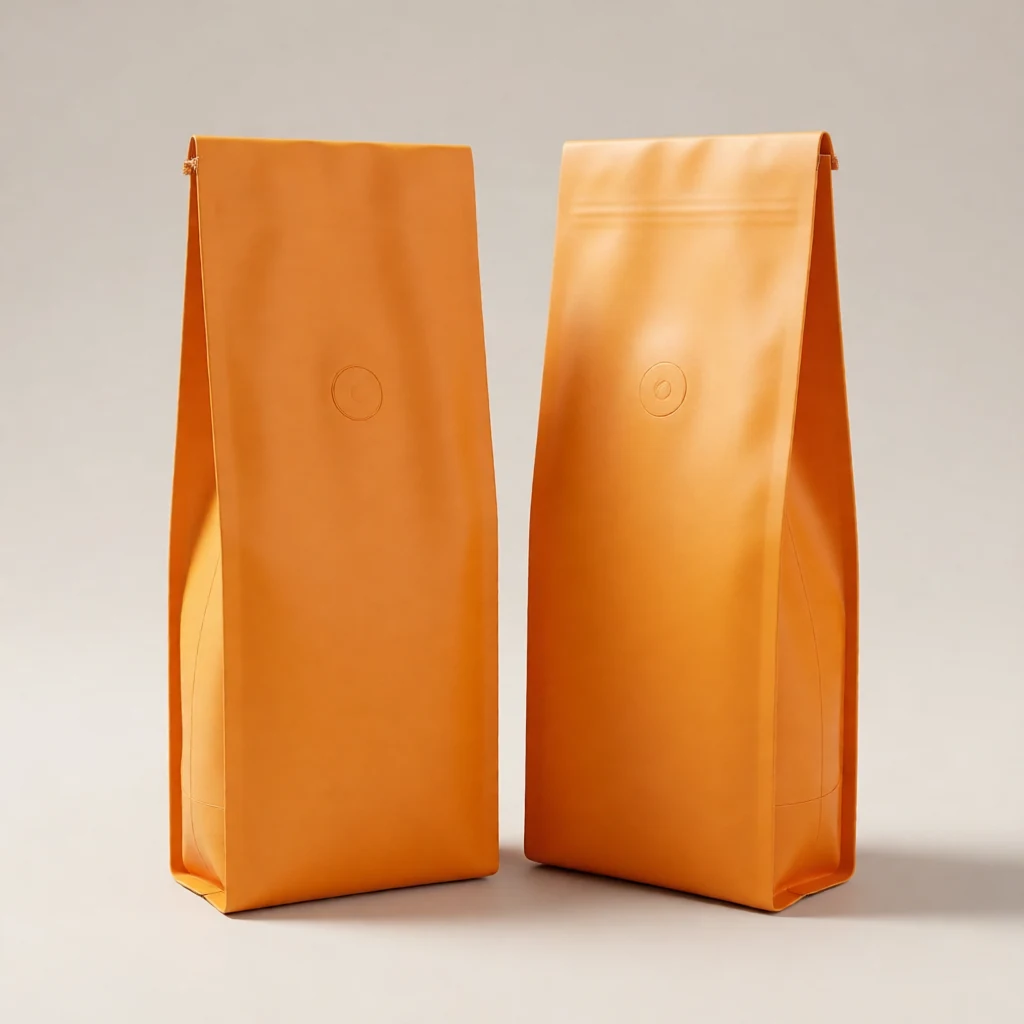
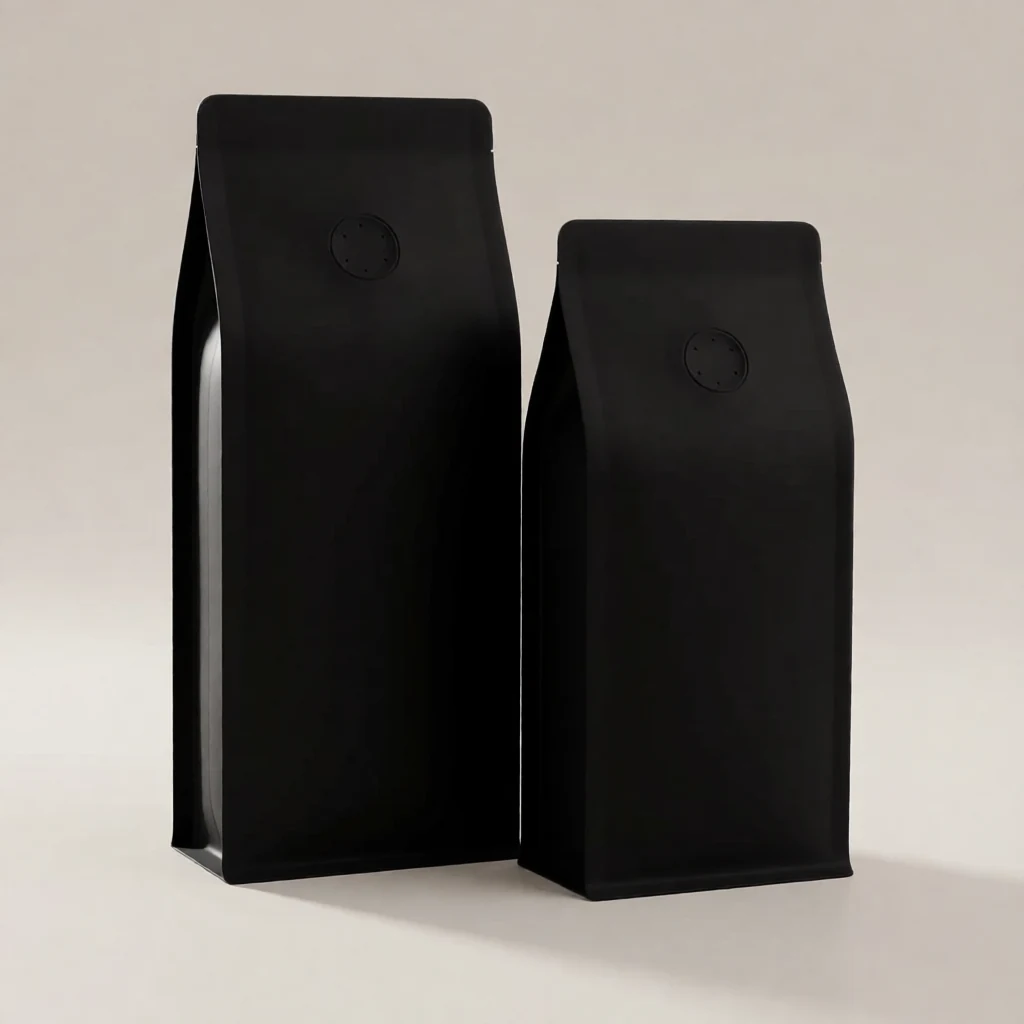
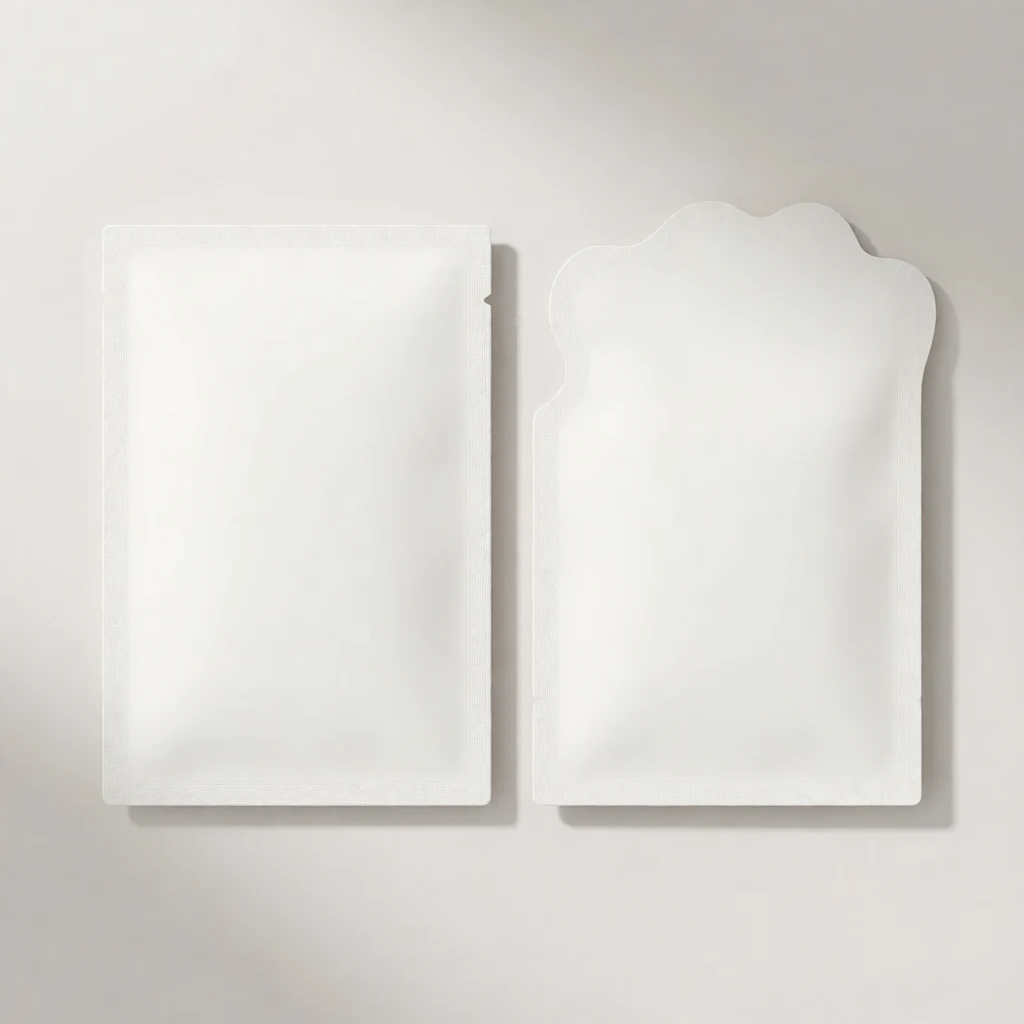
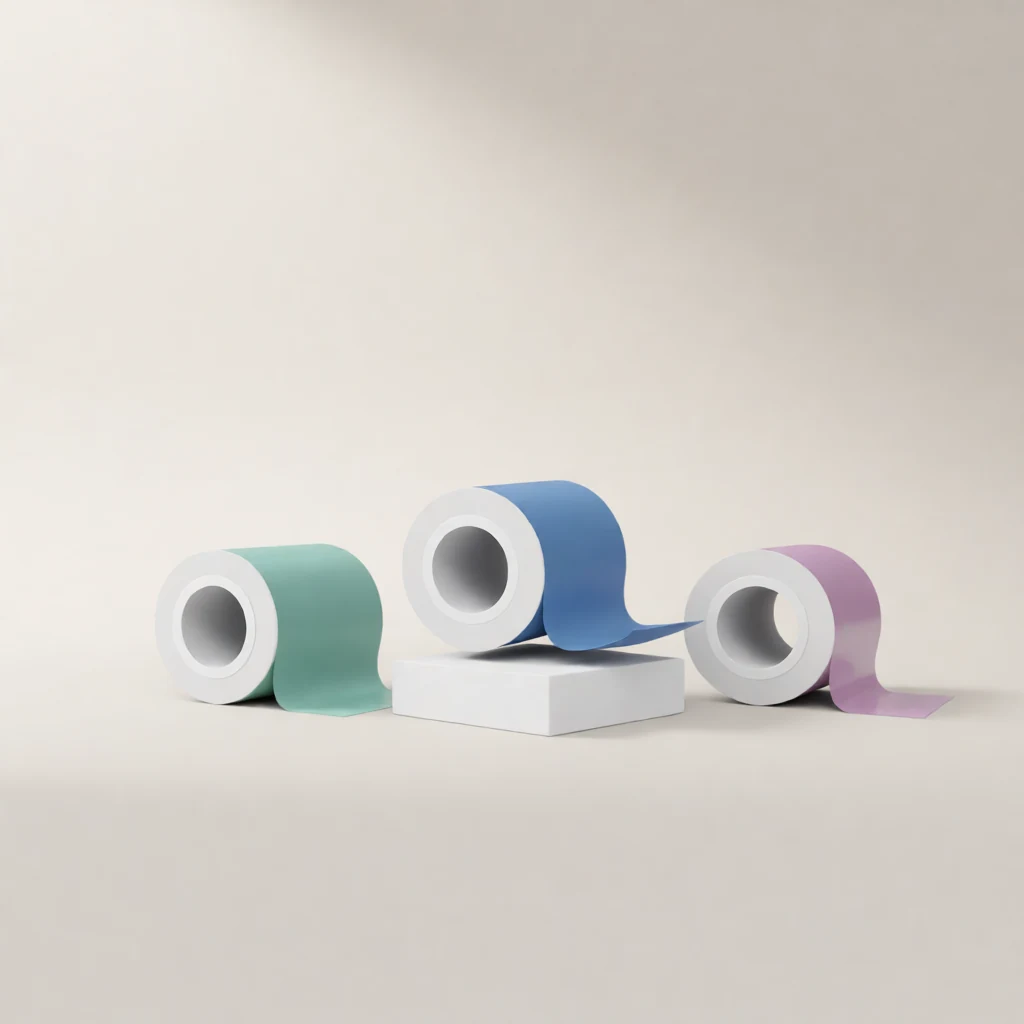
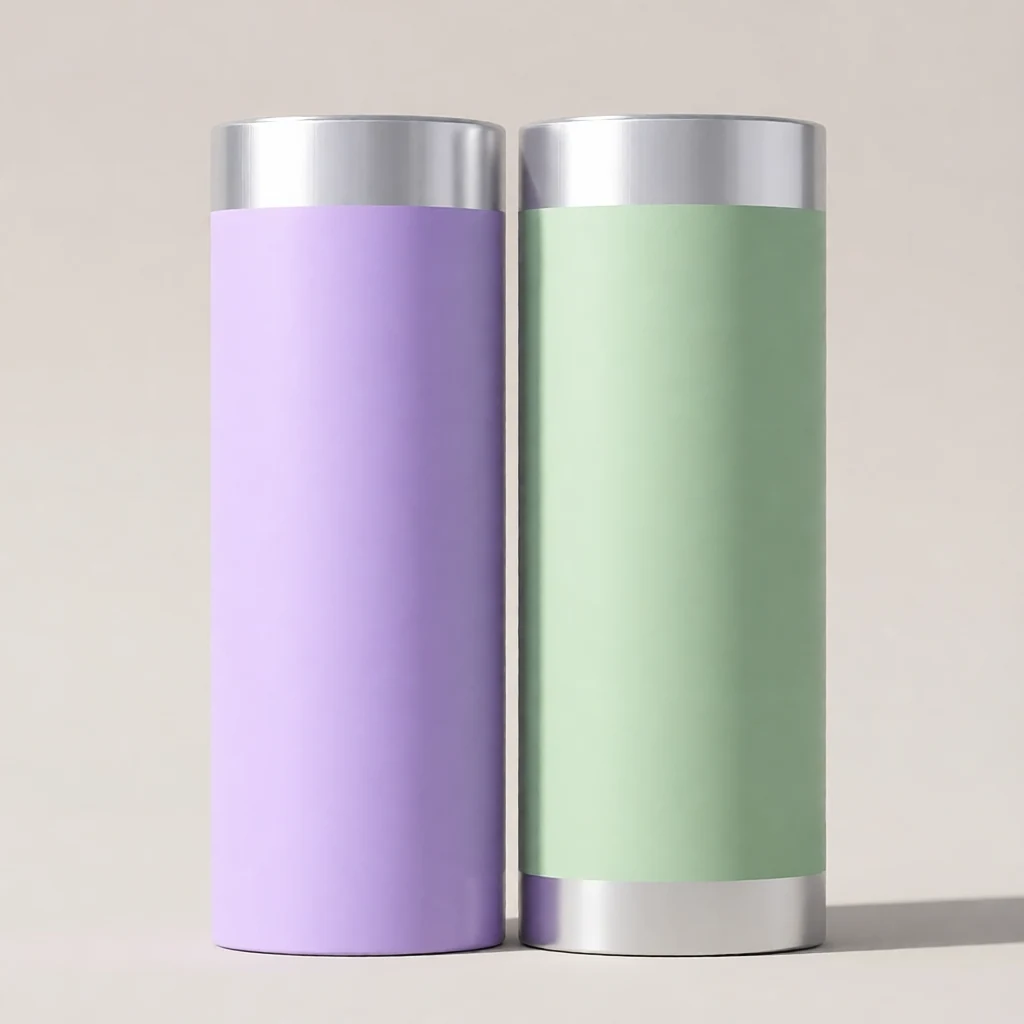
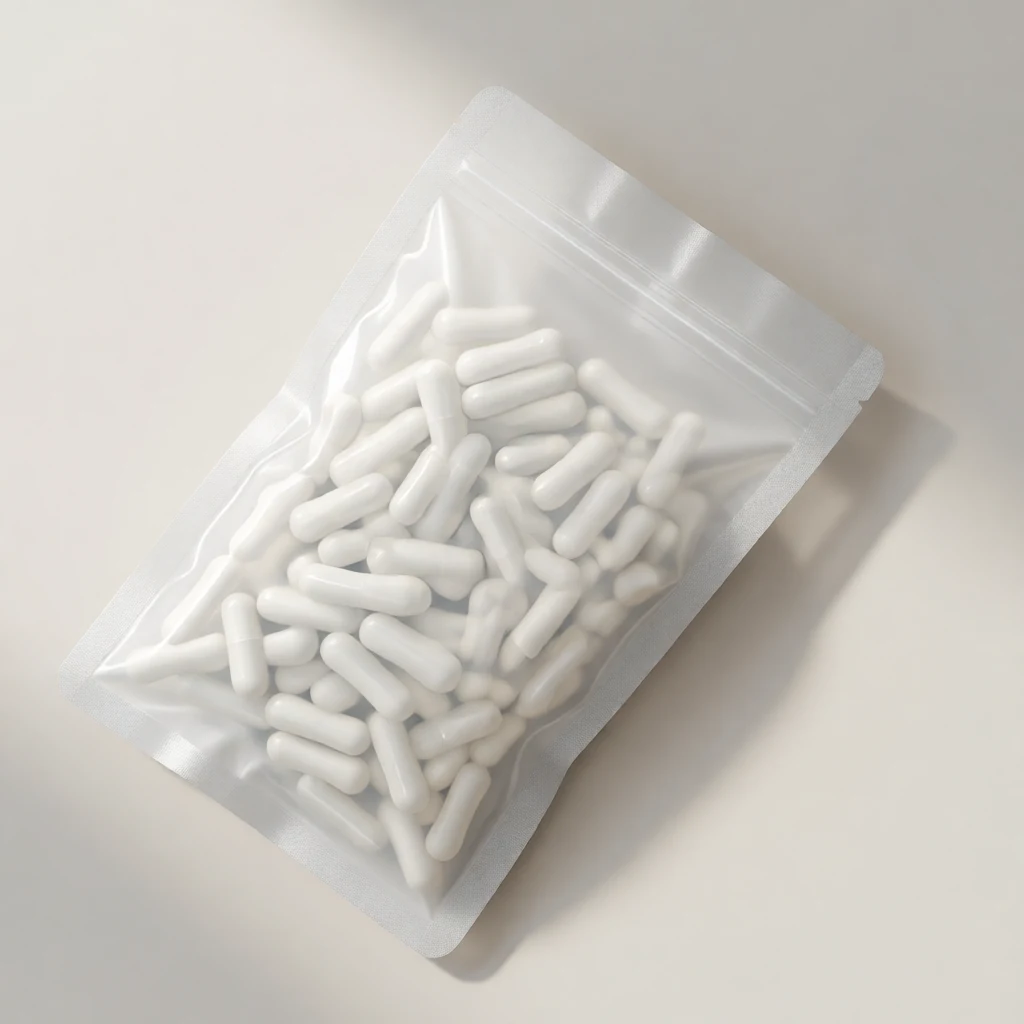
Recommended packaging for Small Business
The packaging these brands order most often. Each page lists the specs, MOQ and lead time for that format.
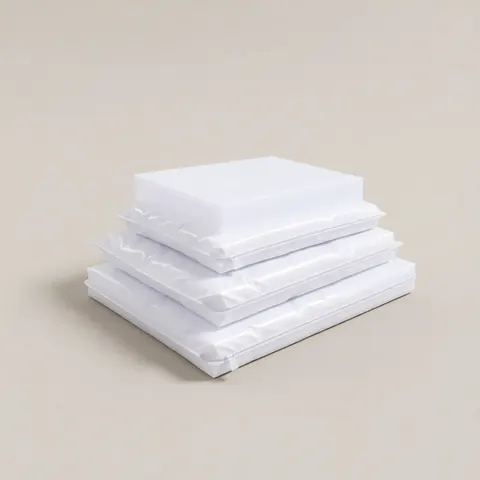
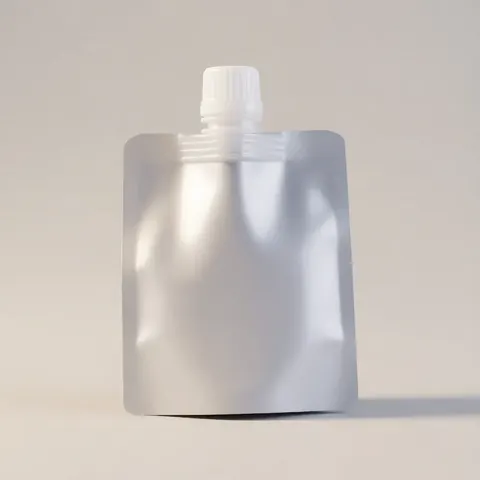
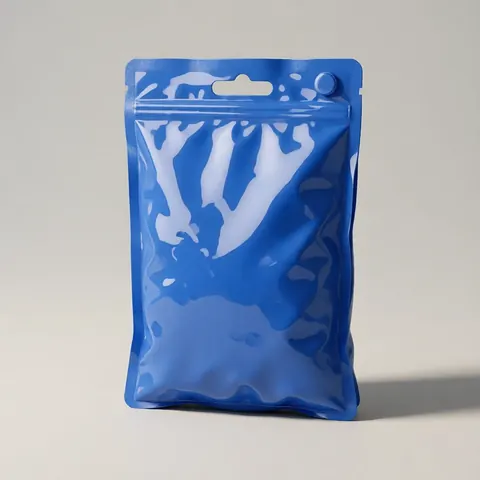
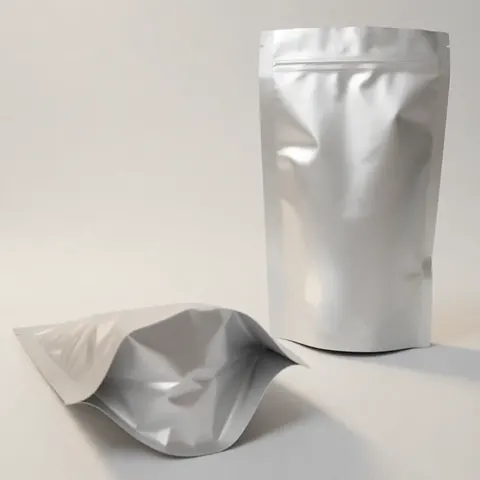
How to choose packaging for small business
What brands in this market usually order first — and what we need from you to quote it.
- Digital printing from 100 pouches or 10 kg of rollstock film
- Rotogravure printing from 10,000 pouches or 200 kg of film
- Free stock samples; you cover courier cost only
- Zippers, valves, spouts, tear notches, hang holes and windows available
| MOQ — digital print | From 100 pcs for pouches and bags, from 10 kg for rollstock film. |
|---|---|
| MOQ — rotogravure | From 10,000 pcs, or 200 kg for film. Best unit price at volume. |
| Lead time | Digital 10–15 working days, rotogravure 20–25 working days, counted from artwork approval. |
| Materials | Recyclable PE and PP mono-material, home and industrial compostable, kraft, and foil / metallised high-barrier laminates. See sustainable packaging. |
| Printing & finishing | Digital for short runs, rotogravure for volume, or a printed label on stock packaging. Digital printing · matte / gloss / soft-touch, foil stamping, spot UV, windows, valves and zippers. |
| Sizes | Made to your filled dimensions. Popular stock sizes are listed on Low MOQ & Stock. |
| Samples | Free stock samples — you only cover the courier. Request samples. |
How to choose packaging for a small business
Five decisions, in the order they actually come up. Work through them once and you have the specification — the rest of the quote is arithmetic. If two answers pull in different directions (say a compostable structure and a long shelf life), say so early rather than late: we will tell you which one has to give and what it costs to keep the other.
1. Start with the product and the fill weight
Powder, liquid, a bar, a snack or a bottle all point at different formats: a stand-up or flat-bottom pouch for a shelf-ready bag, a spout pouch for liquid, a sachet or stick pack for a single serve, rollstock film if you fill on your own line, a box or a label if the pack already exists. The fill weight sets the size range — send both and the format almost picks itself.
2. Decide the barrier the product needs
Moisture, oxygen, aroma and light each call for a different laminate. A foil or metallised structure is the highest barrier; mono-material PE or PP is recyclable and trades some of that barrier; kraft paper looks natural but needs a liner for real protection. If your shelf life is short and the product is not sensitive, a simpler structure saves money.
3. Decide how it reaches the customer
A retail shelf wants a format that stands up, a window or a hang hole, and a panel that carries the label text. A parcel network wants a pack that survives the courier — a mailer box or a heavier film. Selling both ways is normal: one structure, one artwork, different outer packaging.
4. Pick the print route — this is where the budget moves
Three routes cover almost every small brand: stock packaging plus a printed label (nothing to print on the pack itself), digital printing from 100 pcs (artwork can change between runs), and rotogravure from 10,000 pcs or 200 kg of film (one design, lowest unit price). The table below is the honest comparison.
5. Specify the closure and the finishing
Zipper, tin tie, degassing valve or spout; tear notch, hang hole or window; matte, gloss or soft-touch; a printed label or direct print. These are the details that decide how the pack feels in the hand — and they are cheaper to choose up front than to change after a cylinder is engraved.
The three print routes, compared
| Route | What it is | Typical minimum | Lead time | Best when |
|---|---|---|---|---|
| Stock packaging + printed label | A plain stock pouch, box or bottle, branded with a printed label or sticker. | No print run for the pack itself — ask us for the current stock list and the minimum on it. | Short: the pack comes from stock, only the label is produced. | A first order, a test of the design, or a product whose pack changes often. |
| Digital printing | Your artwork printed on the pouch, bag or film, without engraving a cylinder. | From 100 pcs for pouches and bags; from 10 kg for rollstock film. | 10–15 working days after artwork approval. | Launch quantities, several SKUs at once, or a design you expect to change. |
| Rotogravure printing | Cylinder printing for volume runs. | From 10,000 pcs, or 200 kg of film. | 20–25 working days after artwork approval. | Steady volume and one design — the best unit price at scale. |
| Rollstock film + your own line | Printed film on reels for your form-fill-seal machine. | From 10 kg (digital) or 200 kg (rotogravure). | Same as the print method above. | You already fill and seal in house and only need the printed film. |
Minimum order quantity at a glance
| Item | Digital printing | Rotogravure |
|---|---|---|
| Pouches and bags | From 100 pcs | From 10,000 pcs |
| Rollstock film | From 10 kg | From 200 kg |
| Printing setup | No cylinder; artwork can change between runs | One cylinder set per design |
| Stock (unprinted) packaging | Ask for the current stock list and its minimum | — |
| Stock samples | Free; you cover the courier only | Free; you cover the courier only |
A first order usually starts on the top two rows: stock packaging with a label, or a digital run from 100 pcs. Move to rotogravure when the design is settled and the volume is steady. Repeat orders run faster because the specification and the artwork stay on file — tell us how often you reorder and we will quote the first order and the repeat together. If you are not sure which route fits, see how low MOQ and stock works or ask for stock samples first.
What we need from you to quote
- The product you are packing, and the fill weight or the size you have in mind.
- The quantity for the first order, and roughly how often you reorder.
- Where you sell: retail shelf, your own site, a marketplace, or a mix.
- Any artwork you already have. If there is none, say so — we will quote the structure first and confirm the print later.
Send those four things and you get the structure, the MOQ, the lead time and the price in one reply, usually within one working day. Start at get a quote.
Four mistakes that cost small brands money
- Choosing the size before the fill weight. A pouch that looks right in a photo can be 20% too tall once the product settles. Give us the fill weight and the product form; the size follows from that, not from a competitor's bag.
- Printing a design you are about to change. This is what digital printing solves: from 100 pcs you can adjust artwork between runs instead of committing to a cylinder set at 10,000 pcs. Move to rotogravure when the design has stopped moving.
- Ordering the pack before the panel text is final. Ingredient, allergen, weight and warning text decides how much space the front and back panels need. Lock the copy first; printing a nice design with no room for the required text is an expensive way to learn this.
- Assuming every “eco” film behaves like foil. Mono-material PE and PP are recyclable and usually give a shorter barrier window than a foil or metallised laminate. Choose the structure against your shelf-life target, not against a general preference.
How a first order runs, week by week
Week 1 — specification. You send the product, the fill weight and the quantity. We come back with the structure, the MOQ, the lead time and the price, and — if you want them — free stock samples so you can hold the format before paying for anything.
Week 1–2 — artwork. You approve the dieline (the flat outline of the pack) and the artwork. This is the stage where a size change is still cheap; after the print is set up it is not.
Week 2–5 — production. Digital printing takes 10–15 working days from artwork approval; rotogravure takes 20–25, because the cylinders are engraved first. Shipping time is on top, by air or by sea depending on the volume and the deadline.
Realistically, a first order lands in about four to six weeks, and a repeat order is faster because the specification and the artwork are already on file.
Popular for
Neighbouring industries that order packaging for small business most often.
Packaging for Small Business — frequently asked
What is the minimum order quantity for small business packaging?
Digital printing starts at 100 pouches or bags, and 10 kg for rollstock film. Rotogravure printing starts at 10,000 pouches or 200 kg of film. If you are testing a new product, digital is usually the lower-risk option. Tell us your target quantity and we will confirm which method fits.
How long does production take?
Digital printing takes 10-15 working days. Rotogravure takes 20-25 working days. Both counts start from artwork approval, not from your first enquiry. If you have a launch date, share it with us and we will tell you whether the timeline is realistic before you commit.
Which material should I choose for my product?
It depends on what you pack. Recyclable PE and PP mono-material suit many dry goods. Compostable options are available. Kraft paper gives a natural look. Foil and metallised laminates provide high barrier for sensitive products, but they are not recyclable. Tell us your product and shelf-life needs and we will recommend a material.
Can I get a sample with my artwork before ordering?
We provide free stock samples; you cover the courier cost. For printed samples, we can discuss a digital short run. Artwork needs to be print-ready. If you need help with dielines or file setup, send us your design and we will confirm what is required.
What types of custom packaging does Clover offer?
We produce the full range of flexible packaging: flat bottom pouches, stand up pouches, flat pouches, spout pouches, side gusset bags, rollstock film and special shaped bags — in recyclable, compostable and conventional laminates.
Can I get a prototype or sample before placing a bulk order?
Yes. Digital printed samples and physical prototypes are available so you can check material, barrier and finish before committing to a production run. Free stock samples ship within a few days.
More answers in the packaging FAQ.
Related
Get a quote — Packaging for Small Business
Send the product, the fill weight and the quantity you have in mind. We reply within one working day with the structure, MOQ, lead time and price.